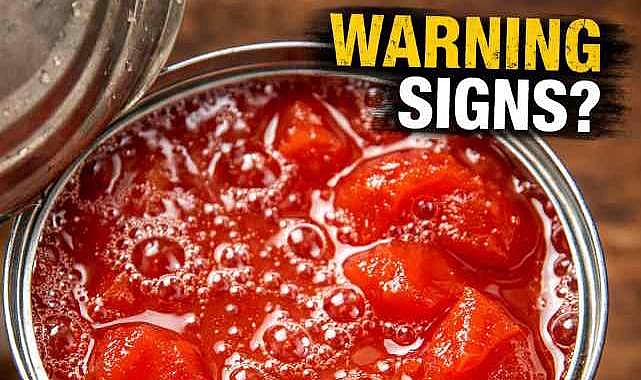
If you’ve ever opened a can of tomatoes and immediately noticed bubbles rising to the surface, you’re not alone. This reaction can look suspicious at first, but in most cases, it’s completely normal. During the canning process, tomatoes are heated and sealed in an airtight container. As the contents heat up, gases naturally present in the food and liquid dissolve under pressure. Once the can is opened, the internal pressure drops suddenly, allowing those dissolved gases to escape. The result is a brief burst of bubbles as everything equalizes.
The amount of bubbling can vary. Processing temperature, storage conditions, and even the specific variety of tomatoes can influence how much dissolved gas remains trapped in the liquid. Higher heat levels during processing can increase gas solubility, which may lead to more noticeable bubbling when opened. On its own, this is typically harmless—but it’s important to understand how to tell the difference between normal gas release and signs of spoilage.
Natural Dissolved Gases vs. Signs Of Fermentation
Normal bubbling happens because of physics. Fermentation, however, is biological. The key difference lies in what’s causing the gas. Natural dissolved gases are released instantly and stop quickly. Fermentation gas is produced continuously by microorganisms such as yeast or bacteria feeding on sugars inside the tomatoes.
If the can’s seal has failed or the product was compromised, microbes may grow and begin producing carbon dioxide. This leads to persistent bubbling, pressure buildup, and potentially visible foam. Unlike harmless degassing, fermentation often brings other warning signs along with it.
Visual Clues: What Safe, Normal Bubbles Look Like
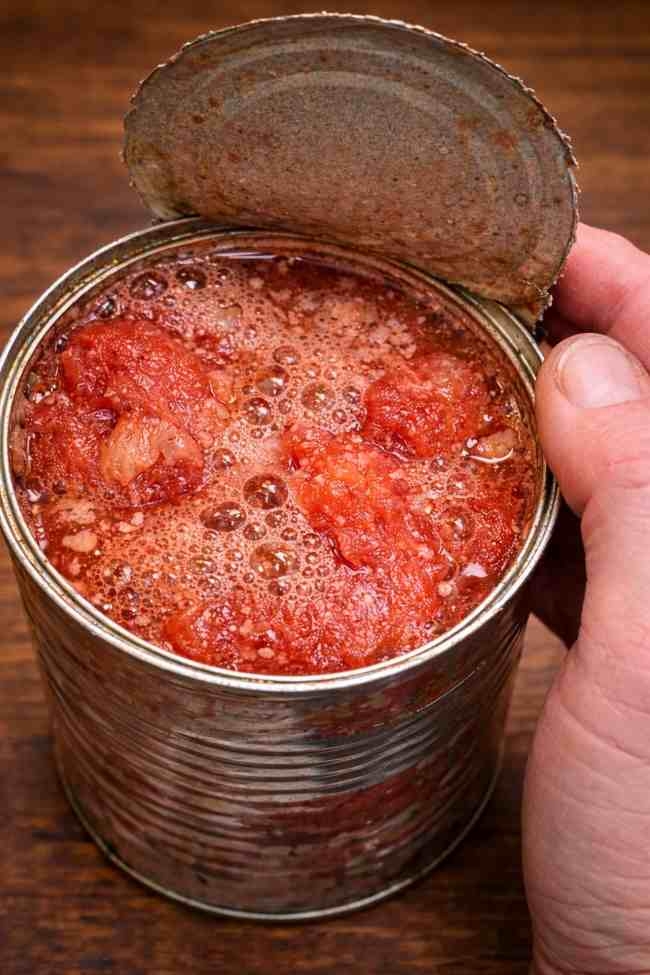
Harmless bubbles tend to be small, clear, and short-lived. They appear immediately after opening and fade within seconds. The liquid remains bright and transparent, and the tomatoes keep their natural red color and structure.
There should be no foam layer, no unusual cloudiness, and no change in texture. The bubbling should resemble the gentle fizz you might see when opening a lightly carbonated drink—brief and subtle.
Red-Flag Bubbles: Foam, Froth, And Other Warning Signs
When bubbling becomes foamy, thick, or persistent, it deserves attention. A layer of froth on the surface can indicate microbial activity. If bubbles continue forming instead of stopping quickly, that’s not typical pressure release—it’s ongoing gas production.
Spoilage-related bubbling may also be accompanied by cloudy liquid, color changes, or softening beyond what’s expected. In some cases, the contents may even push upward or spill out when opened due to internal pressure buildup. These signs should not be ignored.
The Smell Test: Sour, Yeasty, Or Off Odors Explained
Smell is one of the most reliable indicators of safety. Fresh canned tomatoes should have a clean, slightly acidic tomato scent. Anything noticeably sour, alcoholic, yeasty, or unpleasant suggests spoilage.
A sharp, fermented smell may indicate lactic acid bacteria activity, while a bread-like or alcoholic aroma can point to yeast fermentation. If the odor seems questionable in any way, the safest decision is to discard the product without tasting it.
Texture And Color Changes That Point To Spoilage
Changes in appearance often confirm what bubbling alone cannot. Tomatoes that appear brownish, dull, excessively mushy, or slimy may be breaking down due to microbial activity. The liquid might become cloudy or develop an unusual tint.
Healthy canned tomatoes maintain their color and structure. Any significant deviation—especially when paired with strange bubbling or odor—should be treated as a warning sign.
Botulism, Canned Tomatoes, And When To Be Seriously Concerned
Although rare in commercially processed tomatoes, botulism is a serious food safety issue associated with improperly canned foods. The bacterium Clostridium botulinum thrives in low-oxygen environments and produces a powerful toxin.
Commercial tomatoes are usually acidified to prevent this risk. However, warning signs such as bulging cans, leaking seams, spurting liquid upon opening, or extreme off-odors should be taken seriously. Because botulism toxin cannot be detected by smell or taste, any suspicious can should be discarded without sampling.
How Storage Conditions Can Trigger Fermentation Or Spoilage
Improper storage can compromise even properly processed canned goods. Cans should be kept in a cool, dry location away from direct sunlight and excessive heat. High temperatures can weaken seals and accelerate internal breakdown.
It’s also wise to avoid purchasing cans that are dented along seams, rusted, or visibly swollen. Damage increases the risk of contamination and internal pressure changes.
What To Do Immediately If You See Suspicious Bubbles
If you notice unusual bubbling, pause and assess the situation. Observe whether the bubbling stops quickly or continues. Check the clarity of the liquid, examine the texture of the tomatoes, and rely on your sense of smell.
If anything seems abnormal—persistent foam, cloudiness, off-odor, or texture changes—the safest course of action is disposal. It is never worth risking foodborne illness to salvage a questionable product.
Smart Shopping And Storage Habits To Prevent Future Problems
Prevention begins at the store. Choose reputable brands, check expiration dates, and inspect cans carefully before buying. At home, store canned goods properly and rotate older items to the front so they are used first.
Maintaining stable storage conditions and paying attention to packaging integrity significantly reduces the chance of encountering spoilage.
When In Doubt: The Simple Rules For Keeping Your Kitchen Safe
Food safety ultimately comes down to awareness and caution. Brief bubbling immediately after opening is usually just pressure release. Persistent foam, unusual smells, discoloration, or bulging cans are not normal.
If you’re unsure, trust your judgment and discard the product. A moment of caution is far better than the consequences of consuming spoiled food.